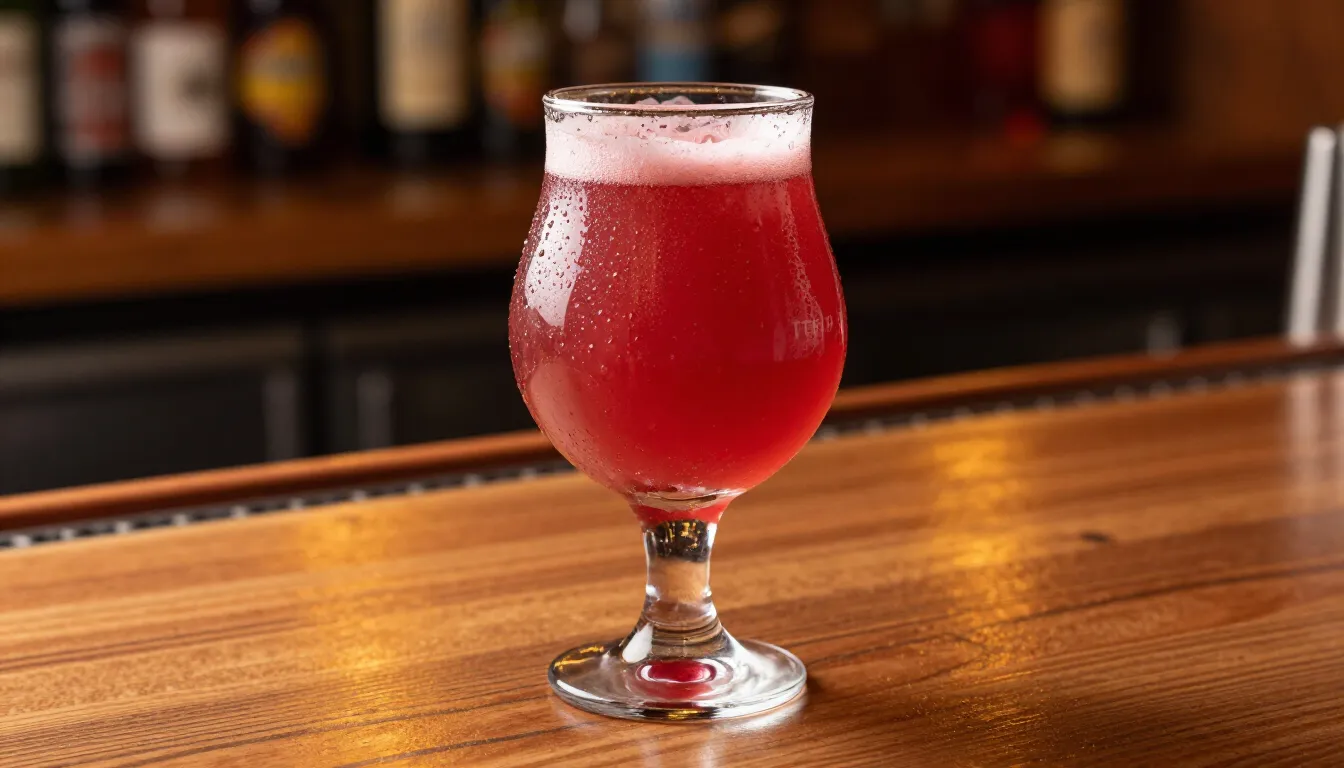
Sour beer is a craft beer style known for its tart, refreshing taste, which comes from specific bacteria or wild yeast. Unlike traditional beers, acidity takes the lead over hop bitterness, giving unique fruity, yoghurt-like or wine-like profiles — perfect for anyone looking for new and intense flavours.
What is sour beer and why does it taste different?
When we think of beer, most of us picture hop bitterness or malty, bready notes. Sour beer turns that idea on its head. Instead of bitterness, acidity comes first — it can remind you of lemon juice, sour apple, yoghurt or even wine vinegar. This is not a brewing fault but a deliberate effect, achieved by bringing the right micro-organisms into fermentation.
Why does it taste different? The key is pH. Traditional lagers sit around pH 4.2–4.6, while sour beers often drop below 3.5 or even 3.0. That difference makes our taste receptors react in a completely different way. Sour beer is incredibly refreshing, which makes it a great choice for warm days in Wilanów. At our taproom we often see people who say they "don't like beer" fall in love with sours, because they are closer to a dry wine or sparkling fruit juice than a typical beer.
How is sour beer different from a lager or an IPA?
The main difference is the balance of flavours. In traditional styles such as lager or pilsner, the brewer aims for a balance between malt sweetness and hop bitterness. In an India Pale Ale (IPA), hops play the lead, bringing citrus, resin or tropical aromas and a clear bitterness. Sour beer shifts the centre of gravity towards organic acids — mainly lactic or acetic acid.
Here are the key differences:
- Bitterness: Hops are used sparingly in sours, because high acidity and high bitterness rarely go well together.
- Micro-organisms: Instead of standard brewer's yeast, brewers use lactic acid bacteria (Lactobacillus) or wild yeast (Brettanomyces).
- Crispness: Thanks to the acidity, these beers feel lighter and more thirst-quenching than heavy, malty beers.
- Additions: Traditional beers rarely contain fruit, but in the sour world it's almost standard, which sets them even further apart.
A short history of sourness in beer
Sour beer is not a new invention. Before we understood modern hygiene and the role of yeast in the 19th century, most of the world's beer had some degree of sourness. Bacteria were everywhere — in the wood of the barrels, in the air, in the ingredients. What we now call "traditional beer" is the result of precise control over production, which eliminated the sourness.
In some parts of Europe, however, the tradition of brewing sour beer survived for centuries. Belgium became the stronghold of spontaneously fermented beers (such as Lambic), where brewers still expose the wort to wild yeast from the air. In Germany, styles such as Berliner Weisse and Gose survived — once hugely popular as light everyday drinks. Today craft breweries draw on these traditions, creating modern takes on old recipes that you can follow on our blog.
How do craft brewers make beer sour?
The process is fascinating and takes a lot of know-how. There are two main ways to get acidity:
- Kettle souring: The most popular method in modern craft brewing. The brewer adds Lactobacillus to the wort before boiling. Within 24–48 hours the bacteria produce lactic acid. The wort is then boiled (which kills the bacteria) and fermented with normal yeast. The result is a clean, yoghurt-like sourness.
- Mixed fermentation: A long process lasting from several months to several years. The beer matures in barrels with a blend of yeast and bacteria. The result is far more complex, often with "horse blanket", hay or wood notes.
Each method gives different results. At Taproom Wilanów we try to show the whole range — from light, fruity kettle sours to complex wild beers that deserve a moment of attention.
The most popular sour styles at Taproom Wilanów
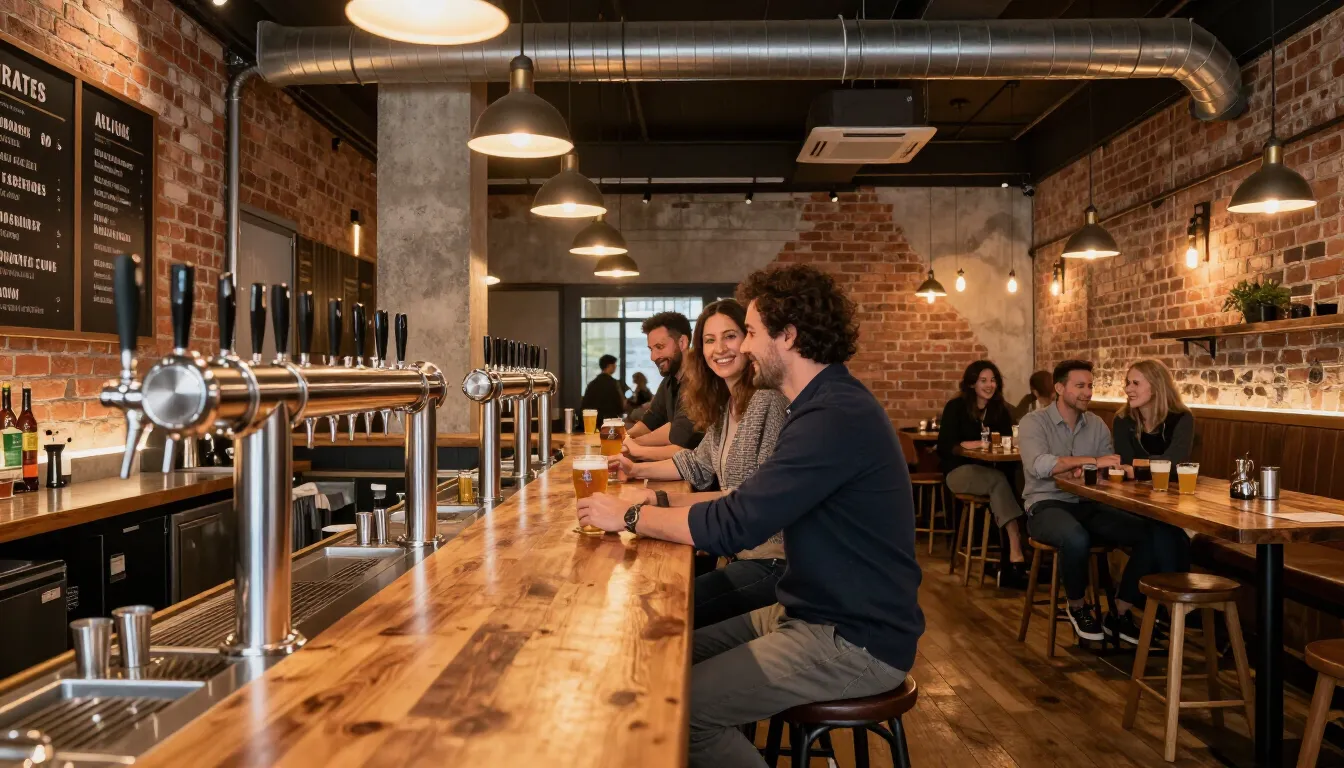
When you visit, there is almost always at least one sour among our 22 taps. Here's what most often ends up in our glasses:
- Berliner Weisse: A very light German wheat beer. Highly sparkling and clean. Traditionally served with syrup, but craft brewers usually add fruit while the beer matures.
- Gose: A unique style from Leipzig made with sea salt and coriander. The saltiness lifts the acidity and makes the beer incredibly drinkable.
- Pastry Sour: A modern style meant to taste like a liquid cake, with huge amounts of fruit, lactose (milk sugar) and vanilla.
- Sour IPA: Two worlds in one — intense hop aroma with a clear sourness.
Is sour beer for everyone?
We hear this question at the bar a lot. The answer: absolutely, but you need to find "your" beer. Sours are a great way in for people who don't enjoy the bitterness of a classic pilsner. Their fruity character makes them very approachable. On the other hand, for experienced beer geeks, spontaneously fermented wild beers are the peak of the brewer's art because of their incredible complexity.
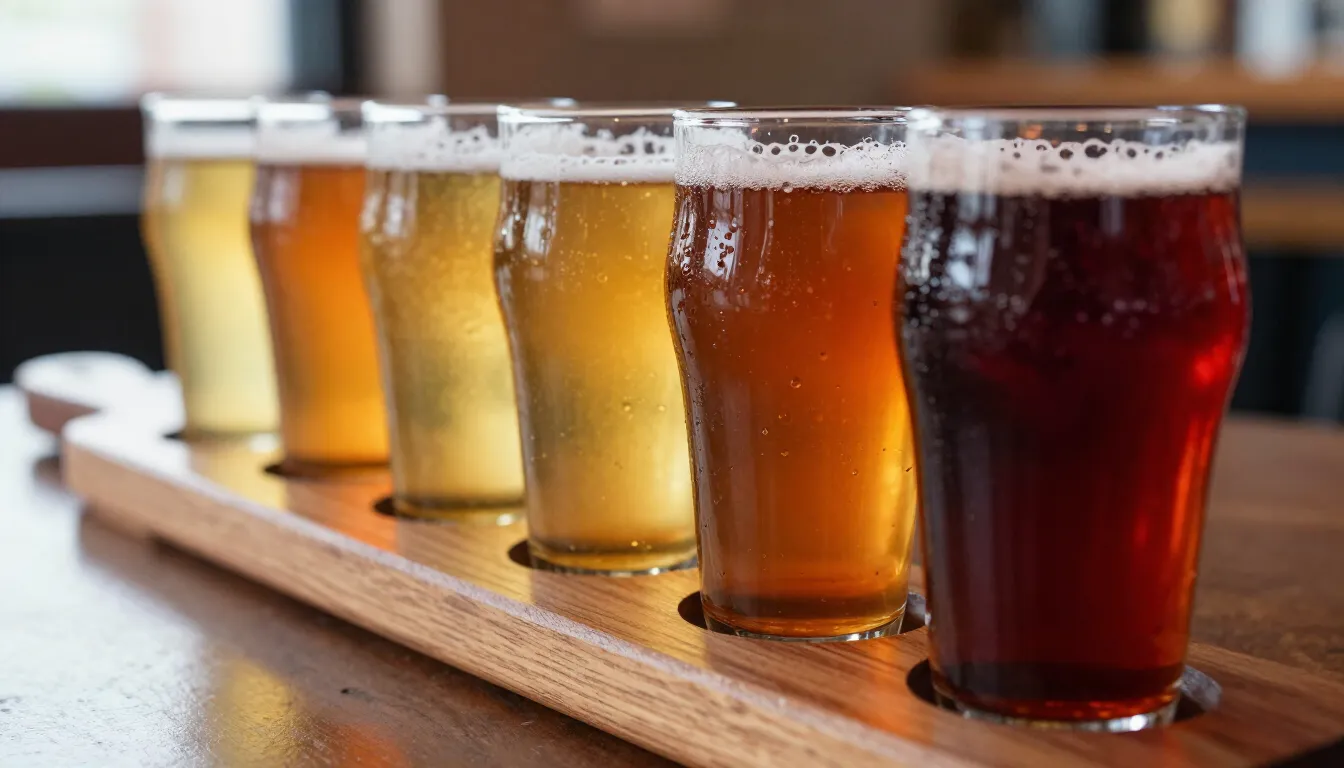
If you have never tried a sour, start with something fruity — a beer with mango, passion fruit or raspberries. The sweetness of the fruit balances the acidity beautifully and the result tastes like the best craft lemonade. At Taproom Wilanów our bartenders are always happy to pour you a small taster before you order a full glass, so you can decide for yourself.
Fruit and extras: the secret of modern pastry sours
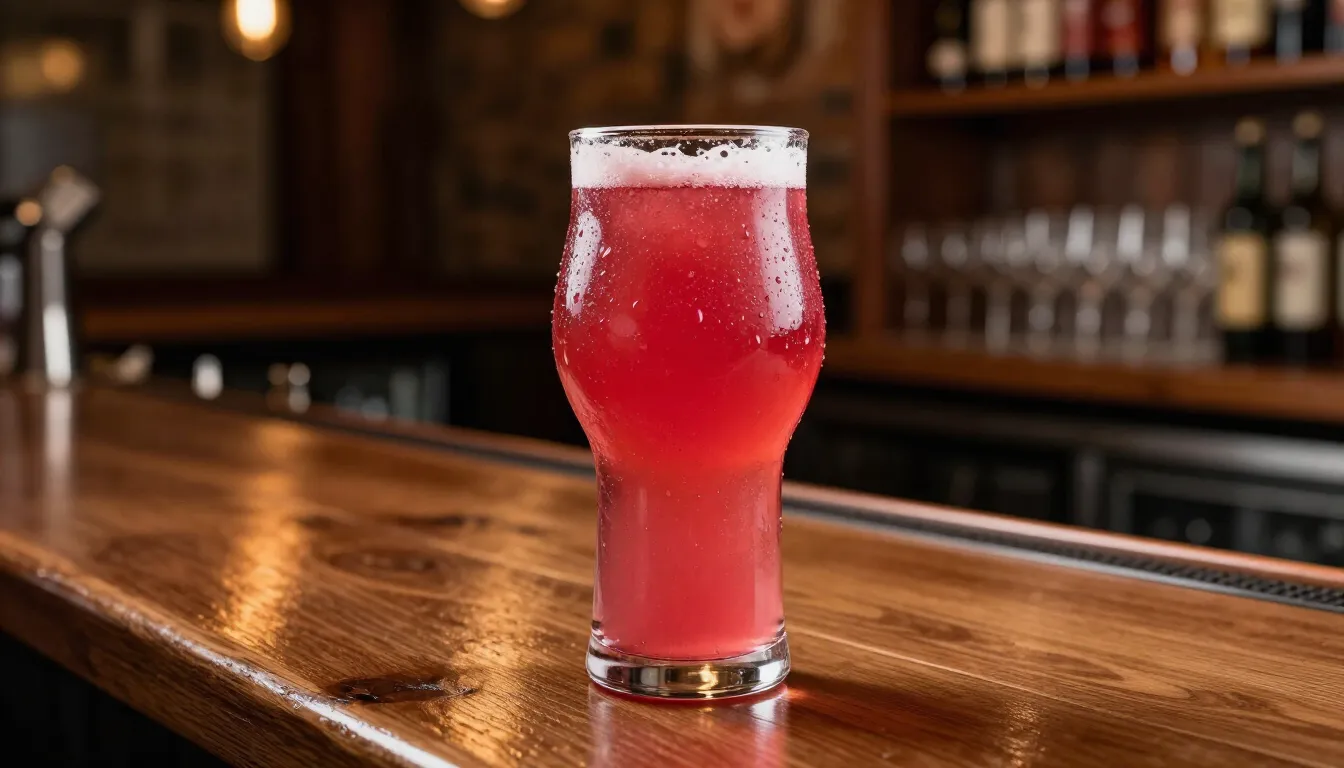
The modern beer revolution knows no limits. Pastry Sour has become a real phenomenon in recent years. Brewers compete with ideas, adding hundreds of kilos of fruit purée to the tanks. What can you find in such a beer?
- Tropical fruit: mango, passion fruit, guava, pineapple.
- Berries: blueberries, blackberries, raspberries, currants.
- Dessert extras: vanilla, marshmallows, sponge cake and even salted caramel.
- Lactose: adds body and a silky texture, balancing sharp acidity.
The result is a thick, opaque beer with an intense colour that looks more like a smoothie than a classic beer with a head. These are the beers that most often bring young adults to our bar in Wilanów, looking for something special for a night out.
What to eat with sour beer? The best snacks
Pairing food with sours is pure pleasure. The acidity cleanses the palate, so every bite tastes fresh.
At Taproom Wilanów we recommend:
- Salty snacks: Dried fish or jerky. Salt contrasts brilliantly with the acidity, just like in a Gose.
- Cheese: Light sours go well with goat's cheese or feta. More complex wild beers love mature blue cheeses.
- Seafood: A light Berliner Weisse is perfect with prawns or squid.
- Desserts: A raspberry pastry sour is almost a dessert on its own, but it's also great next to cheesecake or a fruit tart.
Why try sour beer right now?
The craft beer world is moving fast, and sours are at the centre of that change. They offer something you won't find in mass-market supermarket beer — authenticity, the courage to experiment and an amazing range of flavours. Whether you want something refreshing after work in Miasteczko Wilanów or want to surprise your palate during a match on TV, sour beer is the answer.
Come and visit Taproom Wilanów. Our constantly rotating 22 taps mean you'll discover something different every time. From traditional pilsners to the wildest fruity sours — we're waiting for you with friendly service and a passion for good craft beer. See you at the bar!
Key takeaways about sour beer:
- Sour beer gets its taste from Lactobacillus or wild yeast, which sets it apart from bitter IPAs and lagers.
- The most popular styles are Berliner Weisse (light), Gose (salty) and Pastry Sour (fruity and dessert-like).
- The acidity makes it very refreshing and a great match for salty snacks and seafood.
- At Taproom Wilanów in Warsaw you'll find a wide choice of sours from the best Polish and European craft breweries.