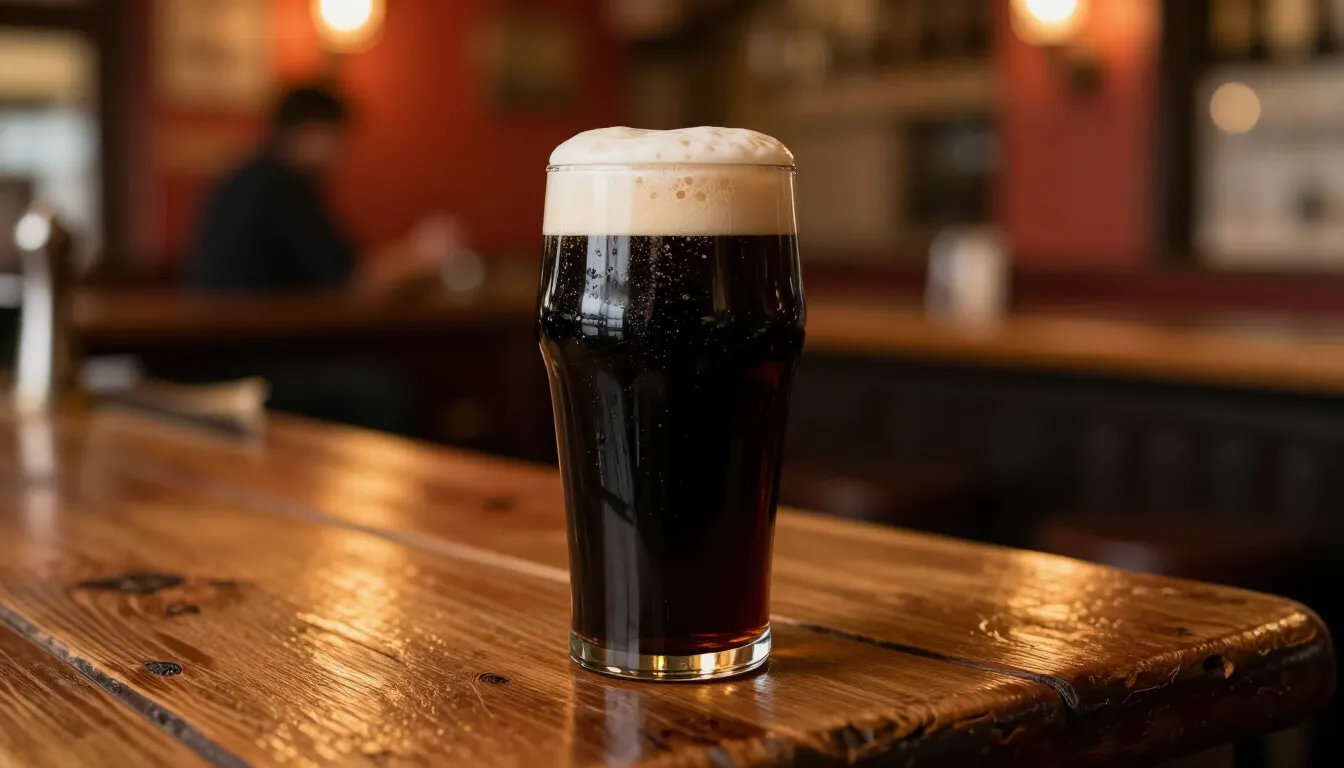
Stout is a dark, top-fermented beer style with an almost black colour and intense aromas of roasted malt, coffee and dark chocolate. It comes from London and differs from pale beers in its creamy texture, lower carbonation and deep, often dry flavour without noticeable sourness. It's a beer for anyone looking for depth.
What makes stout so dark?
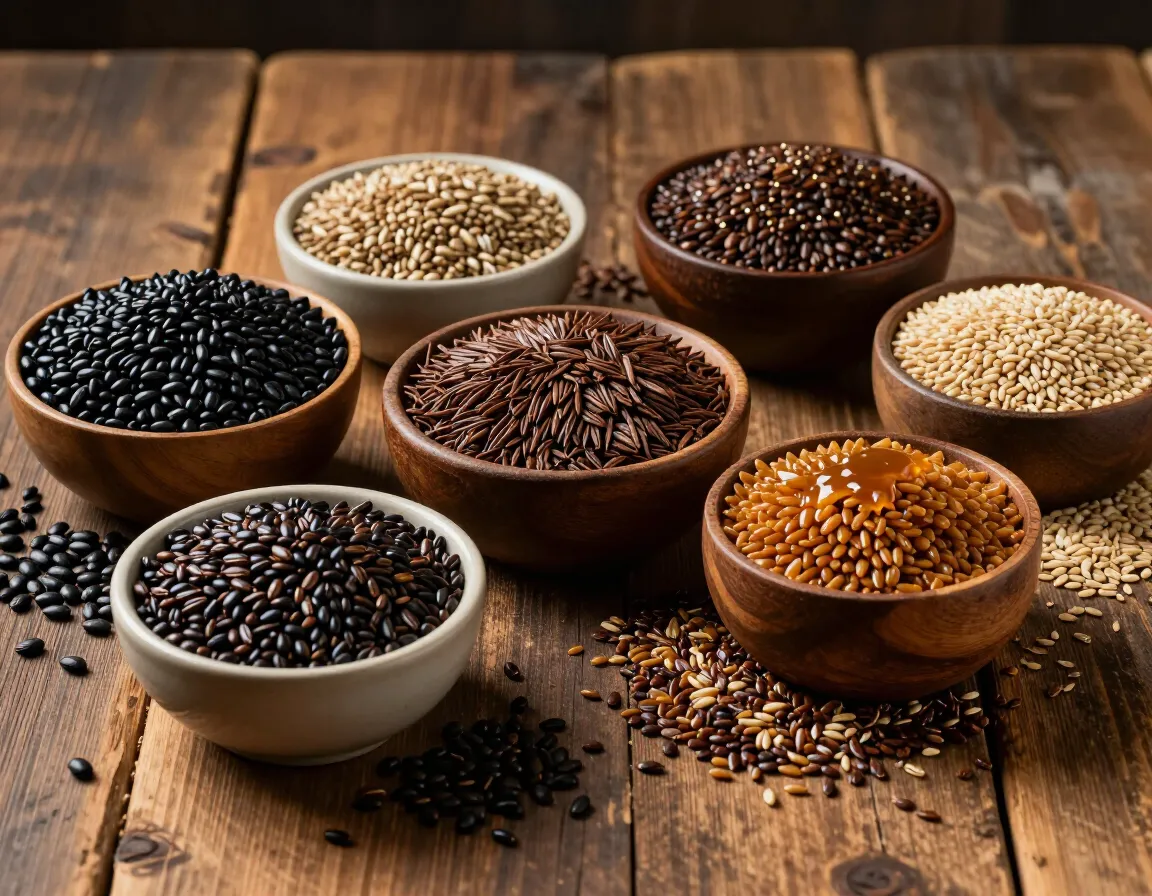
The key to stout is how the grain is treated — specifically, malting and roasting the barley. The dark colour doesn't come from colouring but from the Maillard reaction and caramelisation of sugars when the malt is roasted at very high temperatures. Brewers use the EBC scale (European Brewery Convention) to measure colour: pale lagers sit around 4–10 units, while stouts often go above 80 — in practice an impenetrable black with ruby highlights against the light.
Historically, stout grew out of porter, the favourite drink of London's porters in the 18th century. At first, "stout" simply meant a stronger porter (a "stout porter"). Over time brewers began experimenting with unmalted roasted barley, which gave the beer the dry, almost ashy taste we now associate with the classic Irish style. At Taproom Wilanów we often have takes on this style on tap, showing how much water hardness and mineral content matter in bringing out those dark aromas. Thanks to water rich in carbonates, brewers can use dark malts without the finished beer becoming unpleasantly sour.
What flavours can you find in a good stout?
Tasting a stout is a journey through aromas that remind you of morning coffee and the best desserts. The leading note is usually dark chocolate, mixed with espresso or freshly ground coffee. Depending on the ingredients and brewing technique, a stout can offer a much wider range:
- Roasted notes: Toasted bread crust, smoke or charcoal.
- Sweet notes: Caramel, toffee, molasses and — in versions with lactose — sweet cream.
- Fruity notes: Prunes, raisins or cherries, especially in stronger versions.
- Earthy notes: A gentle bitterness from traditional English hops.
- Vanilla notes: Often found in beers aged in spirit barrels.
When you pick a craft beer at our bar in Wilanów, notice how these flavours balance with the texture. Stouts usually feel "thicker" on the tongue than pale beers, so every drop is full of flavour. They're perfect for cooler evenings, when you want something warming and relaxing.
The main differences between stout and pale lager
For many people starting out with craft beer, going from a pale lager to a black stout can be a sensory shock. The differences come not only from the ingredients but from a whole brewing philosophy. A lager is meant to be crisp, clear and lively to quench your thirst; a stout is about savouring and a rich texture.
The main differences:
- Fermentation: Stout is top-fermented (an ale), which encourages fruity esters; lagers are bottom-fermented and taste cleaner.
- Serving temperature: We drink pale beers very cold (4–7°C), while a stout opens up at 10–14°C.
- Texture: Thanks to oats or nitrogen, stouts are velvety and creamy.
- Carbonation: Stouts usually have much lower carbonation, which is gentler on the palate.
- Bitterness: In lagers hop bitterness leads; in stouts it is matched by the bitterness of roasted malt.
Many people worry that a dark beer will be too heavy, but that's a myth. Modern craft brewing offers light, sessionable stouts with fewer calories than some sweetened soft drinks, without losing flavour. Have a look at our home page to see what's on tap right now and experience that variety for yourself.
Is stout always very strong?
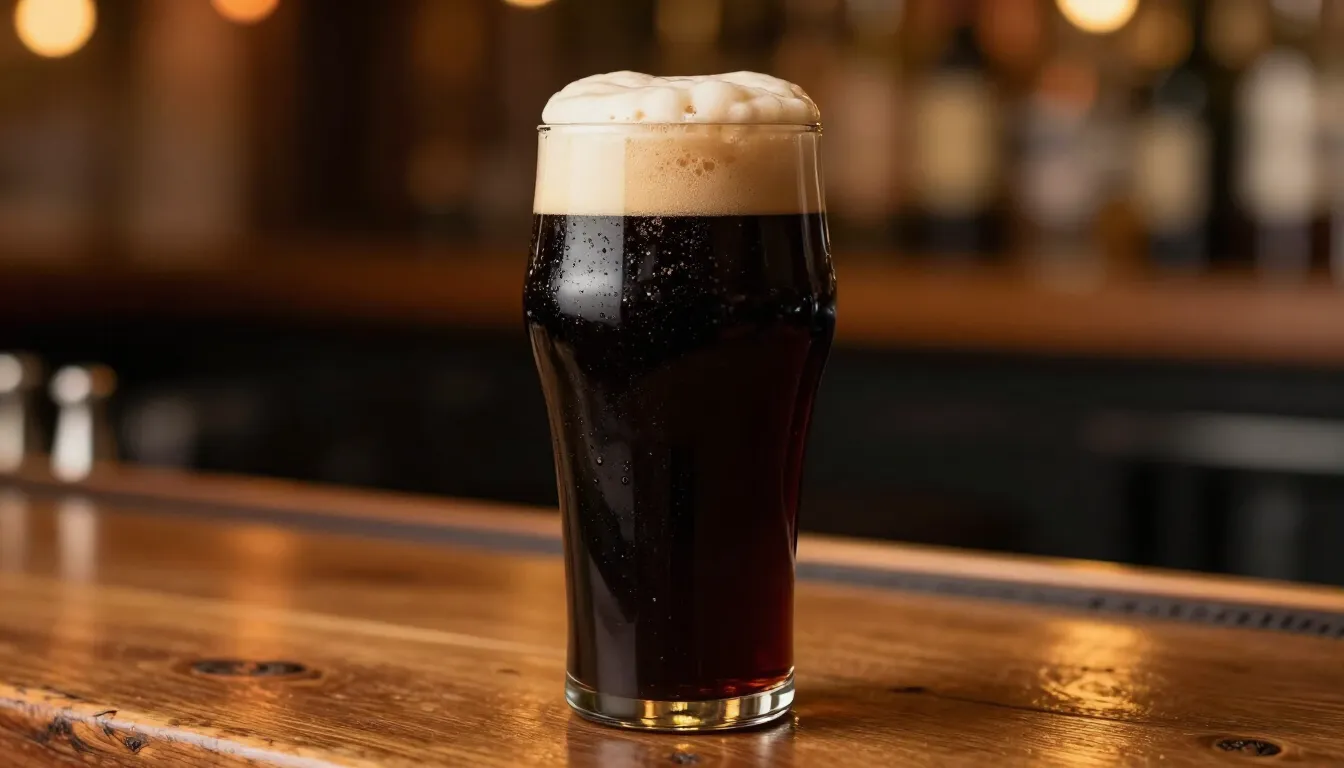
This is one of the most common myths about dark beer. Colour has nothing to do with alcohol content. A classic Irish Dry Stout (the best-known dark beer in the world) is usually around 4–4.5% ABV, lighter than most popular pale lagers. The dark colour suggests big flavour, not necessarily big strength.
Of course, the craft world also has massive Imperial Stouts (RIS) that can reach 10–15% and be as thick as syrup. But for beginners, session versions are the ideal start. At Taproom Wilanów we make sure our 22 taps rotate between light beers for a match and big sipping beers, so everyone finds something, whatever their experience. Our snacks, such as dried fish and jerky, go well with both light and strong versions, bringing out their salty or roasted character.
Types of stout in craft brewing
The world of stout is incredibly varied. Craft brewers keep pushing boundaries, adding ingredients that once seemed unthinkable. On our blog or at the bar you might come across:
- Milk Stout: Contains lactose (milk sugar), which doesn't ferment, giving the beer the sweetness and creaminess of a milkshake.
- Oatmeal Stout: Brewed with oats for an exceptionally smooth, silky texture.
- Pastry Stout: A dessert in a glass — with vanilla, cocoa, fruit or even biscuits.
- Russian Imperial Stout: The strongest type, historically brewed for the Russian imperial court, with powerful coffee and dark fruit aromas.
- Coffee Stout: The roasted malt aroma is boosted further with cold brew coffee.
Each type offers something completely different. A milk stout is a great choice if you're wary of bitterness, while an RIS is a challenge for those after extreme flavours. At our place in Wilanów we like to help guests choose the right style for their mood or the time of day.

How best to taste dark craft beers?
To fully enjoy a stout, forget the habits of drinking mass-market lager. Above all — take your time. Stout doesn't like to be rushed. When it's too cold, its aromas are "frozen". As the glass warms in your hands, more layers come through: chocolate, then nuts, then hints of tobacco or wood. The right glass, such as a snifter or tulip, concentrates the aromas under your nose — which matters, because 80% of taste is really smell.
Look at the head, too. In stouts served on nitrogen ("nitro") the foam is very fine, dense and long-lasting, with a beautiful cascading effect after pouring. At Taproom Wilanów it always draws attention. Watching the dark beer separate from the pale, creamy head is part of enjoying good craft beer. Our local community in Miasteczko Wilanów values these quiet moments with a quality drink.
Summary: your way into dark beer
Stout is the perfect choice for anyone who wants to go beyond the classic pale beer and discover a wealth of aromas linked to coffee, chocolate and roasted grain. With its variety — from light, dry Irish versions to sweet, thick dessert stouts — there's something for every palate. Remember that a dark colour doesn't have to mean high alcohol, and the key to enjoying it is the right serving temperature and a little patience.
Key points:
- Stout is a top-fermented beer with a rich roasted profile.
- Not every dark beer is strong — look for session versions.
- Experiment with extras such as lactose, oats or coffee.
- Drink it above 10°C to get the full aroma.
- Visit Taproom Wilanów to try the best stouts from our 22 taps.