Lager is a beer fermented at low temperatures with bottom-fermenting yeast (Saccharomyces pastorianus). It has a clean, refreshing profile, great clarity and an excellent balance between malt and bitterness. It is the most widely drunk type of beer in the world, valued for its drinkability and how well it goes with food.
What is lager and how do you recognise it?
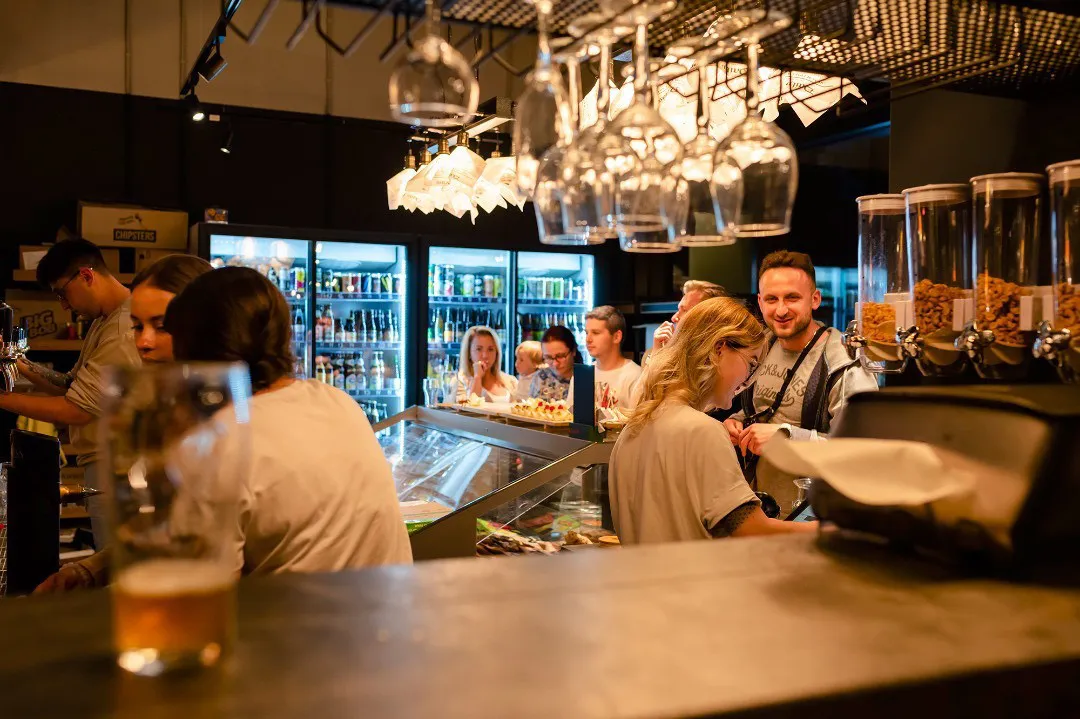
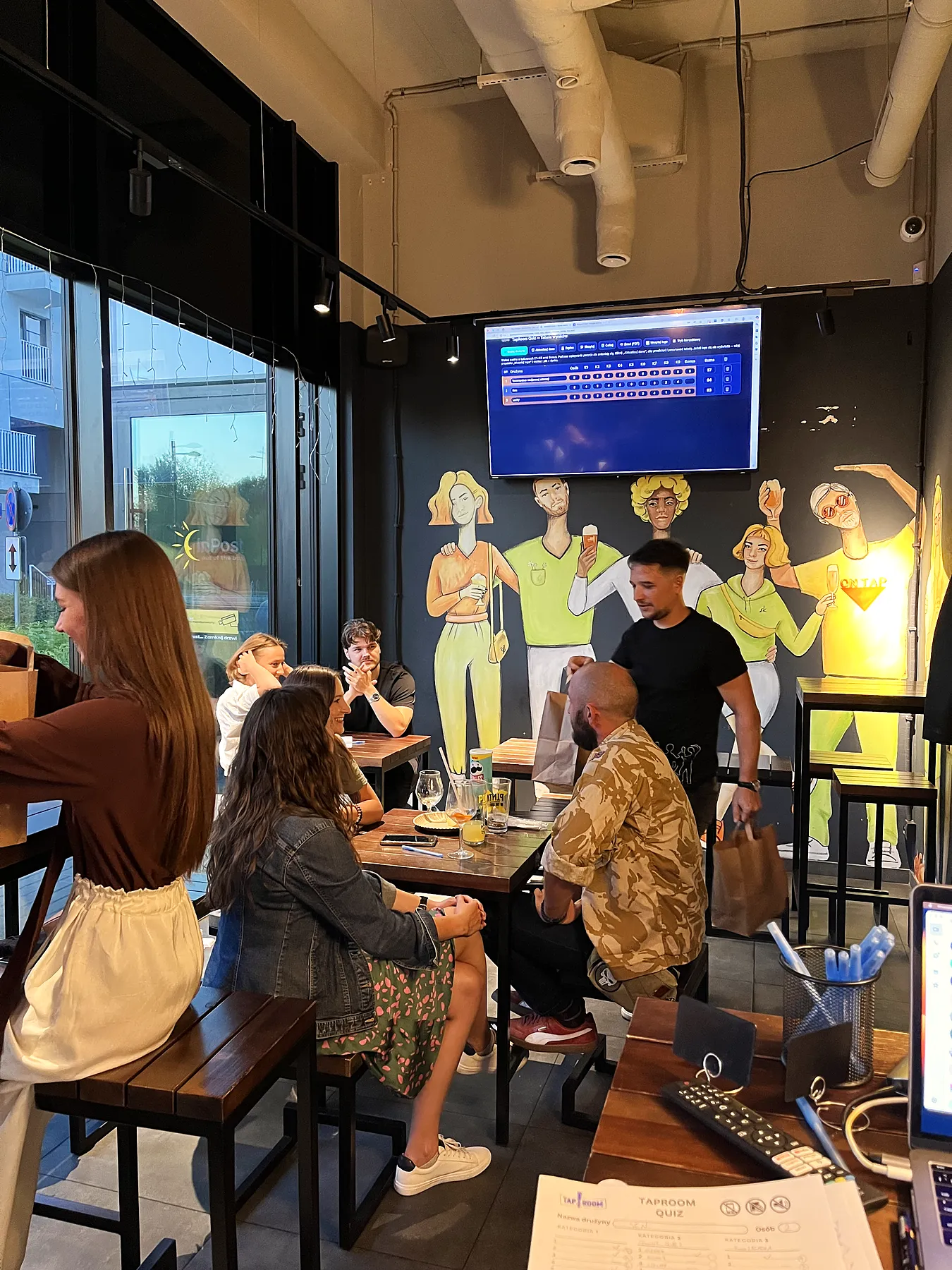
When you walk into Taproom Wilanów, you see a wall of 22 taps. There are almost always a few lagers among them. But what actually makes a beer a lager? The key is how it's made — specifically the temperature and the type of yeast. Unlike ales (top-fermented), lagers are made in cool conditions, usually between 7 and 13°C.
Recognising a lager is easy, even for beginners:
- Look: Usually perfectly clear, from straw-coloured to deep amber (though there are black lagers too).
- Aroma: A clean malt profile with bready, grainy notes, sometimes with a gentle aroma of noble hops.
- Taste: None of the intense fruity esters you get in wheat beers or IPAs. Clean flavour and a crisp finish lead the way.
A lager doesn't try to overwhelm you with mango or pine. Its strength is simplicity and technical perfection. At our bar in Wilanów, lager is the first choice for people who want something refreshing after work or simply want to enjoy a chat with friends without analysing every sip.
Why is lager the most popular beer style in the world?
Lager's popularity is no accident. It's a mix of history, technology and the psychology of taste. For centuries brewers tried to make a beer that was stable, consistent and above all thirst-quenching. Lager ticks every box.
Here's why lager took over the market:
- Drinkability: Lager is light and less filling than heavy, thick beers, so you can enjoy it over a long evening.
- Versatility: It goes with almost any food — from the traditional Polish snacks we serve in Wilanów to Asian dishes or burgers.
- Availability: Thanks to modern refrigeration, lager can be brewed all year round anywhere in the world.
- Clean taste: In a world full of intense flavours, a simple, well-brewed lager is like a reset button for your palate.
You can read more about beer culture and what's new on tap on our blog, where we regularly write about the styles we pour.
The history of lager: from Bavarian caves to world domination
The story begins hundreds of years ago in Bavaria. The name comes from the German word lagern, meaning "to store". Medieval brewers noticed that beer kept in cold Alpine caves over the summer not only spoiled more slowly but became clearer and tastier.
The breakthrough came in the 19th century, when the first golden lager — Pilsner Urquell — was brewed in Plzeň (in today's Czech Republic). Until then most beers were hazy and dark. The arrival of a clear, golden beer coincided with glassware becoming common. People could finally see what they were drinking, and the beautiful colour of lager became a symbol of modernity and purity.
The industrial revolution brought refrigeration and insulation. Brewers no longer had to rely on lake ice or caves. The style spread around the world, replacing local top-fermented styles in many parts of Europe and America.
How is lager made? The role of bottom fermentation
Brewing lager tests a brewer's patience. An ale can be ready in two weeks, but a proper lager needs time.
The key stages are:
- Boiling the wort: As with other styles, the malt is mashed and boiled with hops.
- Cooling: The critical moment. The wort has to be cooled to a low temperature before bottom-fermenting yeast is added.
- Primary fermentation: It happens slowly. The yeast works at the bottom of the tank without producing intense fruity aromas (esters).
- Lagering: The most important stage. The beer spends from several weeks to several months at close to 0°C. During this time it settles, sediment drops out and the flavour becomes perfectly clean.
At Taproom Wilanów we value craft breweries that don't cut corners. A good craft lager — check what's on tap on our home page — is the result of weeks of careful work, not industrial shortcuts.
The most popular types of lager
We may just say "a lager, please", but the style hides huge variety. On our 22 taps in Wilanów we try to show the whole spectrum of bottom fermentation.
The most interesting sub-styles to know:
- Pilsner (Pils): The classic, with a clear, noble hop bitterness and a dry finish.
- Helles: A pale Bavarian lager, maltier and softer than a pilsner, and incredibly drinkable.
- Vienna Lager: A copper-coloured beer with toasty and caramel notes.
- Dunkel: A dark lager tasting of chocolate and bread crust, yet still light and crisp.
- Bock: A stronger bottom-fermented beer, perfect for cooler evenings in Warsaw.
Are pilsner and lager the same thing?
One of the questions we hear most at the bar. The short answer: every pilsner is a lager, but not every lager is a pilsner.
Lager is the name of the whole family of bottom-fermented beers. Pilsner is a specific style within that family, born in Plzeň in Czechia. It differs from an "ordinary" pale lager mainly in how much it's hopped. A real pilsner should have a clear, often herbal or floral bitterness that lingers on the palate. Supermarket lagers are usually milder and more neutral.
How to serve and drink lager
To enjoy lager to the full, the details matter. At our taproom in Wilanów we pay attention to the little things that make a difference.
How to drink lager at home or in a bar:
- Temperature: Don't drink it straight from the freezer. The ideal is 4–7°C. Beer that's too cold "locks in" its flavours and aromas.
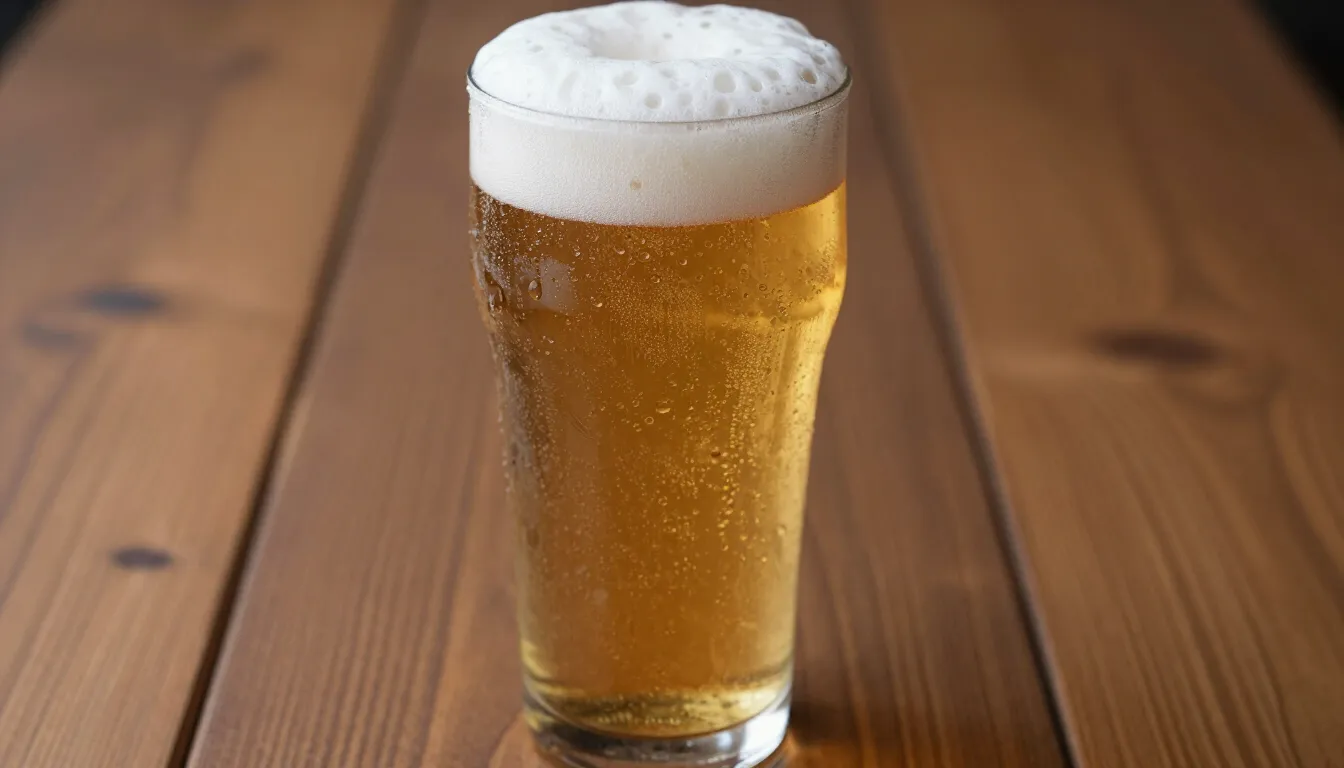
- Glass: A tall, slim glass (a stange) or a stemmed tulip shows off the clarity and holds the head.
- Head: Don't be afraid of foam! A properly poured lager should have two fingers of dense white head. It protects the beer from oxidation and looks great.
What to eat with lager? Perfect snacks at Taproom Wilanów
Lager is the king of food pairing. Its clean taste and high carbonation "wipe" the palate between bites. At our place in Wilanów we choose snacks that bring out the character of the beer.
The best pairings:
- Salty snacks: Pretzels, nuts or jerky contrast perfectly with the malty profile.
- Fish: A delicate lager is a great partner for dried fish, a traditional snack in beer culture.
- Grilled food: If you come for a match, lager balances grilled sausages or wings beautifully.
- Cheese: Light lagers go with mild cheeses such as mozzarella or young gouda.
Summary and key takeaways
Lager is the foundation of the beer world, connecting tradition and modernity. Whether you're new to beer or an experienced beer geek, a well-brewed lager always deserves attention. Its simplicity is the result of mastering the brewing process.
What to remember about lager:
- It's a bottom-fermented beer, matured at low temperatures.
- It has a clean taste, clarity and great drinkability.
- It comes in many types — from pale pilsners to dark dunkels.
- It tastes best at 4–7°C with a dense head.
Come to Taproom Wilanów and see for yourself how varied the world of lager can be. Our staff will gladly help you choose the perfect one from what's on tap. See you at the bar!